A web designer does more than make your site look good. They plan it, connect with the people who use it and solve problems so the site meets a goal.
Every website you love didn’t appear out of nowhere. Behind it there is a web designer who planned, built and polished every detail until the experience felt effortless to you. Web design isn’t only about making something look good: it’s about connecting with users, solving problems and helping businesses reach their goals.
What is a web designer?
A web designer is the person who shapes how a site looks, feels and works. They are digital architects who balance creativity and strategy to build designs that are attractive but also practical and purposeful. It isn’t about picking the right colors or typefaces, it’s about designing a site that speaks to someone and meets a goal.
Their work goes beyond appearances. They think about how people will navigate, what will hold their attention and how to make everything work without friction. It’s a mix of psychology, art and technology.
Duties and responsibilities
Web design is a many-sided role. It goes well beyond sketching ideas or moving things around in a design tool:
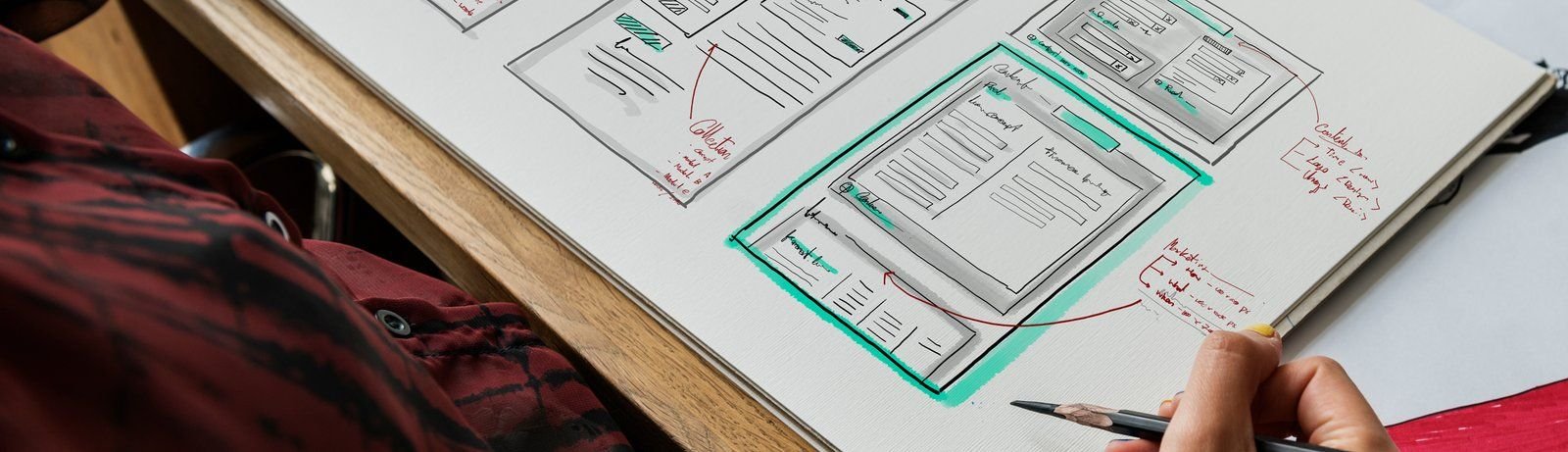
- Creating wireframes and mockups. Before a line of code is written, the designer builds the visual blueprints that structure the page. That blueprint makes sure every piece of content has a place.
- Designing the interface (UI). This is where people interact with the site. The work is in making buttons, menus and forms functional, intuitive and attractive.
- Improving the experience (UX). UX is how the site feels to use. A good designer makes sure every step, from finding information to finishing a purchase, is smooth.
- Collaborating with development. Design works closely with whoever is going to build it, so every detail survives into the final product.
- Researching trends and needs. Nobody designs in isolation. You have to follow how people behave and how the craft moves so the work doesn’t fall behind.
- Keeping the brand coherent. Identity is built into every element, from the colors to the tone of voice, so the site is recognizably yours.
Types of web designers
Web design isn’t one single thing. Specializing is common:
- UX designers. Focused on the experience: making every click and interaction feel natural.
- UI designers. Interface specialists, on the visual and interactive side, so the site looks good and responds well.
- Visual designers. A mix of graphic and web design: they build an aesthetic that matches the brand’s story.
- Interaction designers. They handle animations, transitions and the small details that make a site feel alive.
Where and how the work happens
The workspace can be as varied as the designs. Some people work at an agency, surrounded by other creative minds, and some work on their own from home. Collaboration is a big part of the craft, whether with development, with marketing or with whoever writes the content.
The tools of the trade include Figma, Adobe XD and Sketch, which help turn ideas into something you can see and test. And with remote work now normal, there’s more flexibility than ever to work from anywhere.
What do you need to do this for a living?
Being a web designer is more than downloading a program and experimenting. It takes craft, dedication and a willingness to keep learning:
- Training. Some come from a design degree; many start with online courses, bootcamps or on their own.
- Technical skills. Handling tools like Figma or Adobe XD is the baseline. Understanding some HTML and CSS gives you an edge.
- Knowing UX and UI. You have to understand how people behave, accessibility and how to make designs that work for everyone.
- Creativity and attention to detail. Web design is about finding creative solutions and letting nothing slip.
- Problem solving. Every project brings its own, and you have to be adaptable.
- Communication. Working with clients and teams means explaining ideas clearly and knowing how to listen.
At Casa Pixel we understand that web design is much more than making something look good. It’s about building sites that are intuitive, that land, and that line up with your goals. If you want to raise the level of your online presence, let’s talk.